
Independent work
Bookkeeping for Freelancers Who Hate Bookkeeping
Practical records. A clearer business.
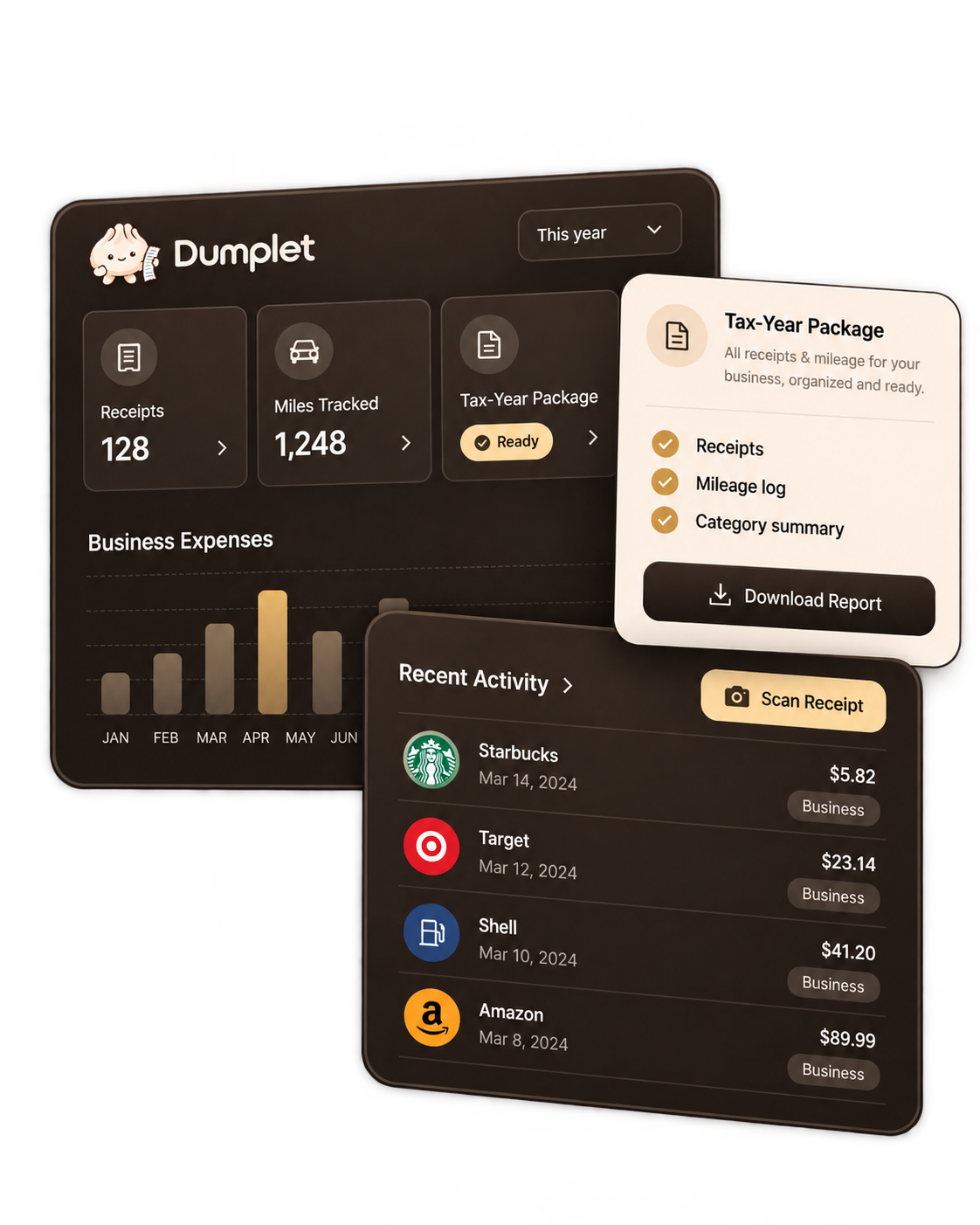
You can love your work and dislike the admin around it. Bookkeeping for freelancers becomes more manageable when you focus on a few useful questions: What came in? What went out? Where is the supporting record? What still needs attention?
You do not have to become an accountant to build a reliable recordkeeping habit. You do need a system you can return to when projects get busy.
Start with the income you actually received
Record payments with the date, amount, client or source, and enough detail to identify the work. Keep invoices and payment confirmations so you can trace a number back to the project. An invoice you sent and a payment you received are different events; do not treat both as separate income.
If a platform collects a fee before sending your payout, retain its transaction statement. A gross sale, a processing fee, and a net bank deposit tell different parts of one transaction. Avoid counting both the platform sale and the bank payout as two sales. Ask your accountant how your accounting method should handle unpaid invoices, deposits, refunds, and timing.
Capture expenses with their receipts
Save purchase details while you still remember why you bought something. Software subscriptions, supplies, equipment, and professional services can disappear into a card statement unless you give each record some context.
Keep the receipt image, screenshot, or PDF together with the date, amount, category, and business-purpose note. Review the original before considering the entry finished. Our guide to organizing small business receipts walks through a repeatable approach.
Keep mileage and tips in the picture
If you travel for client work, log the date, route, distance, vehicle, and purpose close to the trip. Keep personal driving distinguishable from business driving. Tax treatment depends on your situation, so a mileage log is a factual record rather than an automatic deduction.
If tips are part of your work, keep them consistently recorded and check whether they are already included in another income total. Dumplet offers optional tips tracking, so this can stay out of the way when it is not relevant to you.
Separate business from personal spending
A dedicated business payment routine makes review easier. Use a separate account or card where practical, and pay personal expenses personally. A separate card does not make every purchase a business expense, but it reduces the number of mixed transactions you need to untangle.
When you use the wrong card, record what happened and keep the original evidence. Split mixed purchases using the actual items or another supportable allocation. Keep personal amounts out of business expense totals. Read how to separate business and personal expenses for examples.
Build a short monthly closeout
Choose a repeatable date, such as the first working morning of the month. Give yourself one focused session to review the previous month:
- Compare income records with payment statements and investigate missing payments or duplicates.
- Check recorded expenses against statements and attach missing receipts.
- Review categories, notes, and business assignments.
- Finish mileage records and review anything marked Needs You.
- Look at revenue, expenses, and estimated profit together.
- Write down questions for your bookkeeper or tax professional rather than guessing.
Weekly capture makes this monthly review smaller. If you are catching up, start with one month and work forward instead of trying to organize an entire year in one sitting.
A business sidekick for the records behind your work
Dumplet brings income tracking, receipt and expense capture, mileage, notes, and categories together. Its Business Health view gives you a simple snapshot, while Needs You helps you return to records needing review. CSV and year-end exports are available with paid access when you are ready to share organized records.
Explore Dumplet for freelancers and bookkeeping for one-person businesses. Dumplet is a business sidekick for staying organized, not a replacement for professional accounting or tax advice. A small routine can give you a much clearer starting point for both.
Your business sidekick, from everyday records to a clearer picture.
Explore Dumplet