
1099 records
1099 Recordkeeping: What Independent Contractors Should Keep
Practical records. A clearer business.
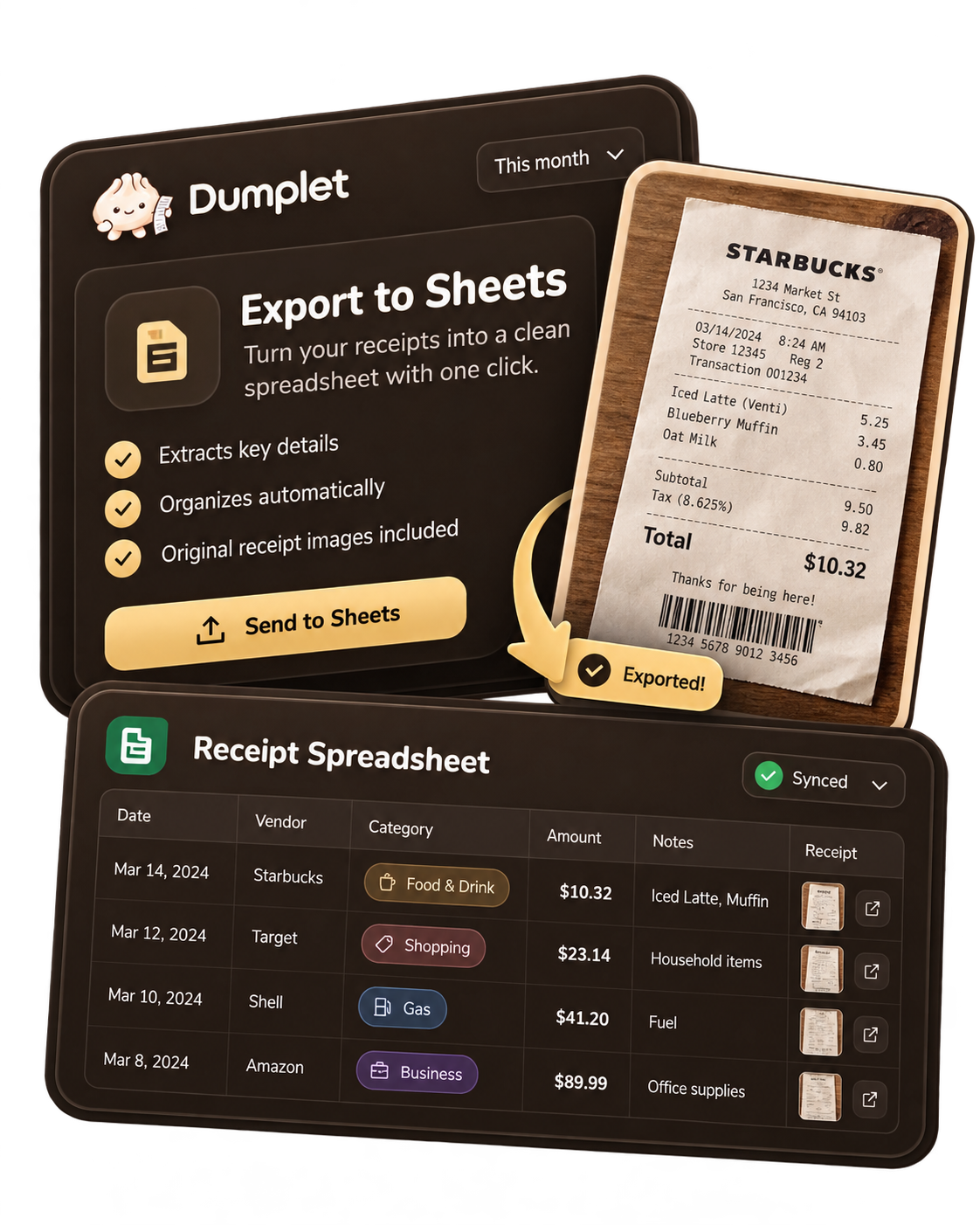
A 1099 form is one piece of your business records. It does not tell you everything you earned, what you spent to do the work, or where the supporting documents are. Useful 1099 recordkeeping means keeping that wider picture organized throughout the year.
For independent contractors, a small set of connected records can make your year-end review much easier. Start with income, expenses, and the evidence behind both.
Keep your own income record
Track payments from each client or platform with the date, amount, source, and a useful reference such as the invoice number or project name. Keep income records even when a payer does not send a tax form. The forms you receive should be compared with your records, not used as the only list of your work.
Save copies of invoices, payment confirmations, refunds, and adjustments. If an invoice is partly paid, make the remaining amount clear. An unpaid invoice is not a second payment, and the right treatment of income timing depends on your accounting method.
Understand platform payouts and fees
A platform report, a payment-processor statement, and a bank deposit can all refer to the same earnings. Recording each as new income can overstate your revenue. Keep the connection between the original transaction and the payout.
For example, if a client pays 500 and a processor retains 15 before depositing 485, retain the record showing all three numbers. Your records need to explain the gross payment, the fee, and the net deposit. Do not record both 500 and 485 as separate client earnings. Check refunds, chargebacks, and transfers between your own accounts with the same care.
Save expense records with context
Keep readable receipts or invoices showing what you bought, when, from whom, and for how much. Add a business-purpose note and an appropriate category. Bank and card statements help check completeness, but may not show itemized purchase details.
Save screenshots and PDFs alongside receipt photos. If an expense relates to more than one business or includes personal items, document the allocation instead of counting the whole purchase twice or treating it all as business. See how to organize small business receipts for a weekly workflow.
Include mileage and supporting business documents
When driving is part of your work, keep trip dates, routes, purposes, distances, and vehicle details. Separate personal driving from the business record. A log helps preserve the facts; your tax professional can explain which trips and expense treatments apply to you.
Keep relevant client agreements, invoices you issued, vendor invoices, and payment statements in a system you can search. These documents explain the work and its payment history when a total does not tell the full story.
Make year-end organization a review
- Check income totals against client and platform payment records.
- Compare tax forms you receive with your own records and investigate differences with the issuer or your tax professional.
- Review expenses for missing receipts, incorrect categories, mixed purchases, and duplicates.
- Finish mileage records and resolve unclear business assignments.
- Prepare an export for the correct business and year, with supporting documents available.
- Open the exported file and check its date range, totals, and receipt references before sharing it securely.
An export is only as complete as the records behind it. Note unresolved questions so your preparer can distinguish confirmed information from items that still need review. Ask them how long to keep each type of record and what additional documentation your situation requires.
Keep the everyday pieces together with Dumplet
Dumplet supports income tracking, receipt and expense capture, categories, notes, and mileage. Needs You provides a review workflow for records needing attention. CSV and year-end exports are available with paid access, giving you a practical way to organize what you share.
Explore Dumplet for 1099 workers and tax records for self-employed people. Your business sidekick helps collect and organize the details. Your tax professional helps interpret them for your circumstances.
Your business sidekick, from everyday records to a clearer picture.
Explore Dumplet